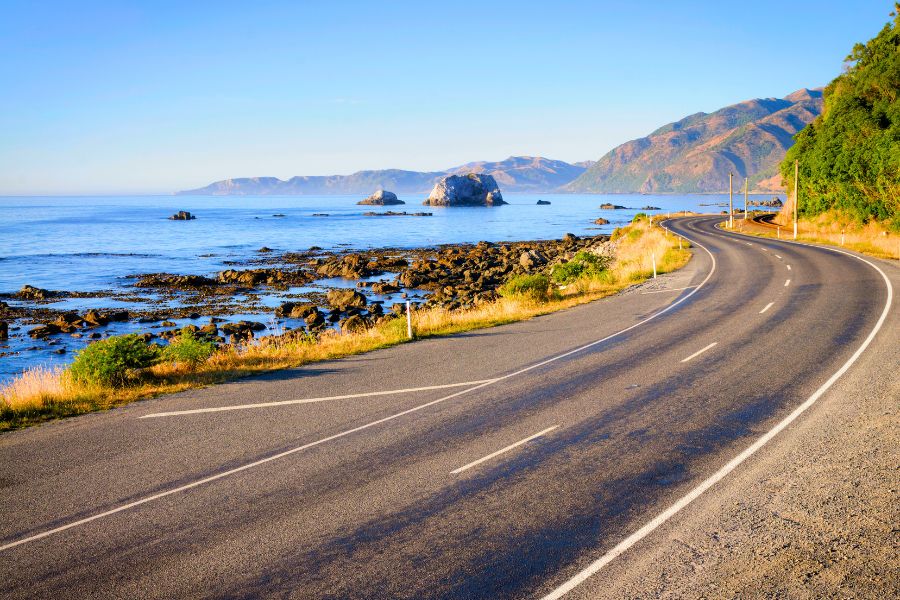
Renting a car at Christchurch Airport or other major hubs provides the key to unlocking the wonders of New Zealand. Driving across the country offers an unforgettable adventure, from dramatic mountain passes to winding coastal roads, lush forests, and open plains. The scenery encourages you to slow down and truly savour each moment. However, many roads are narrow, curvy, and often remote, so preparation and careful driving are essential. Whether it’s your first road trip or you’re experienced with winding routes, understanding the challenges ahead ensures safety and maximises enjoyment. Get ready to hit the road and discover New Zealand’s breathtaking landscapes like never before!
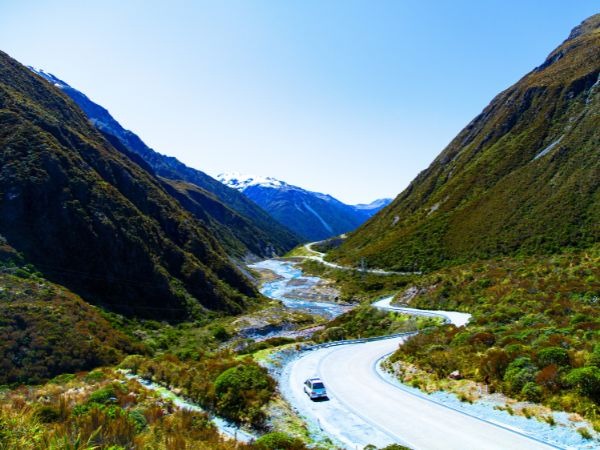
New Zealand’s roads range from modern dual carriageways in towns to single-lane bridges and gravel tracks in remote areas. Driving is on the left, with the driver’s seat on the right, which can feel unfamiliar if you’re used to right-hand driving. Many scenic or rural routes wind through mountains, hills, and forests, often with sharp curves, steep inclines, minimal shoulders, few guardrails, and changing weather.
Speed limits may seem generous, typically 100 km/h on open roads and 50 km/h in towns, but on narrow or steep roads, a slower pace is safer. Staying alert, driving to the conditions, and allowing extra time ensures both safety and a more enjoyable journey through New Zealand’s stunning landscapes.
Proper preparation is essential for a safe and enjoyable road trip through New Zealand. The country’s winding roads, changing weather, and remote areas mean taking a few key steps before you start driving can make all the difference.
Always drive on the left‑hand side of the road. If you’re used to driving on the right, be extra careful when turning, overtaking, or navigating roundabouts and intersections. Adjust your speed on curves and bends to match what you can see ahead, not just the posted limit. Slow down on tight corners or when visibility is reduced.
Maintain plenty of space between your vehicle and the one ahead. On narrow or winding roads, sudden stops may occur due to wildlife, fallen rocks, or slower vehicles. Using headlights in low‑visibility conditions such as rain, fog, or mist helps you see clearly and stay visible to others.
Only overtake when you have clear visibility and are certain it’s safe. On single‑track or narrow roads, use passing bays, be patient, and signal your presence to oncoming vehicles with a wave or dip of your headlights. Avoid taking risks around bends or blind spots.
Driving through New Zealand’s mountainous and rural areas requires extra caution. Use lower gears on steep descents to let the engine help slow the car and prevent brake overheating, especially when carrying heavy loads or towing. Reduce speed around blind corners and after crests, since you might encounter livestock, fallen branches, narrow lanes, or oncoming vehicles. One‑lane bridges and roads often require yielding to traffic and careful attention, with some areas lacking guardrails.
Remote roads can have limited mobile coverage and fewer services. Always top up your fuel before leaving towns, carry water and basic supplies, and plan rest stops. Night driving in these areas is risky unless you are confident and the vehicle is well-equipped, as lighting is often minimal and unexpected hazards are more likely.
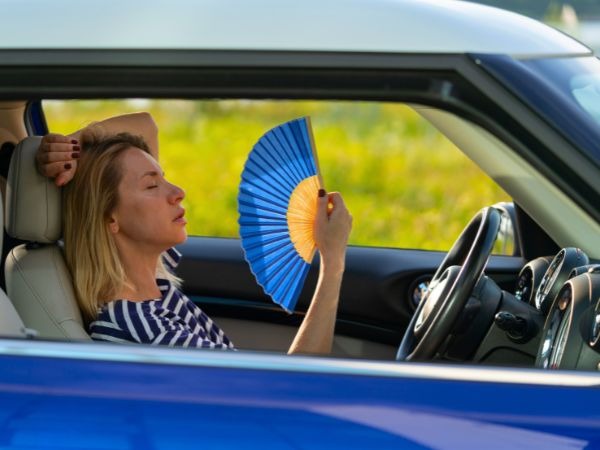
Long hours on New Zealand’s winding roads can lead to fatigue faster than expected, especially in unfamiliar surroundings. Absorbing the scenery makes it easy to lose track of time, so regular breaks are essential. Stop every two hours to stretch, rehydrate, and refresh your focus. Share driving when possible and avoid pushing on if reaction times or attention slip, particularly during early mornings, after lunch, or after several hours on the road. Prioritising rest keeps you safe and alert throughout your journey.
Driving in New Zealand presents unique challenges, and even experienced drivers can make errors if they’re not careful. Keep these common pitfalls in mind to stay safe and confident on winding roads:
For both first-time visitors and seasoned travellers, renting a car is often the best way to explore New Zealand. It provides the freedom to set your own schedule, stop for photos, and reach destinations that public transport cannot access. A rental also removes the constraints of bus or train timetables, allowing greater flexibility. Choosing the right vehicle, whether a compact for city driving or an SUV for mountainous and rural roads, ensures comfort and safety. A rental car allows you to create your own itinerary, spend more time at the places you love, and access areas many others cannot.

For travellers looking to explore New Zealand at their own pace, renting a car with Final Rentals provides flexibility, ease, and peace of mind. From city streets to winding rural roads, having a reliable vehicle allows you to enjoy every part of your journey comfortably and safely.
For additional guidance on making the most of your rental car experience, see What Every Traveller Should Know Before Renting a Car in New Zealand.
Before heading onto remote or winding roads in New Zealand, plan for practical needs such as fuel, food, and rest stops. While towns and cities have plenty of petrol stations, cafes, restrooms, and mobile coverage, these become scarce in rural or mountainous areas. Top up your tank before leaving major centres, carry water and snacks, and know where you can safely stop if needed.
If renting a car, check the fuel policy, nearby petrol stations, mileage limits, and return conditions to avoid being stranded. In areas with weak or no signal, inform someone of your route and expected arrival times, and consider carrying a physical map or offline navigation as a backup.
When driving on winding roads, being prepared is essential. Check the vehicle’s condition, including tyres, brakes, lights, and fluids, and carry extra items such as a first aid kit, warm or waterproof clothing, water, snacks, a torch, and a phone charger. Use hazard lights if you need to stop on narrow stretches and pull over safely when facing wildlife or road hazards. Keep vehicle documents easily accessible, including the rental agreement, insurance details, roadside assistance numbers, and a copy of your driver’s licence, so you can handle any situation with confidence.
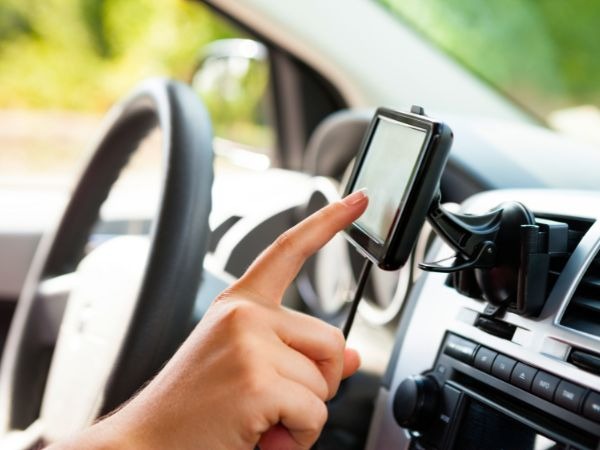
Modern technology can greatly support driving in New Zealand. Navigation apps help plan routes, avoid traffic, and provide weather or road updates, while mobile communications allow checking in, sharing your location, or calling for help. Use technology responsibly by keeping full focus on the road, using a hands-free or dashboard mount if you need to check maps, and checking daily for alerts such as closures, detours, or weather warnings. In remote areas, offline maps or downloaded route information provide extra peace of mind when the signal may be limited.
New Zealand’s weather is highly unpredictable, with sudden rain, fog, and rapid temperature changes, especially at higher altitudes. Even in summer, mornings and evenings in elevated areas can be chilly, while snow and ice are concerns in winter, particularly in southern or alpine regions.
Check the forecast before setting off and adjust your route or delay travel if conditions are poor. Ensure your rental vehicle is suitable for the roads, using 4WD or snow chains if needed. Reduce speed, use headlights in low visibility, and stay alert for hazards like fallen branches, wet leaves, or minor landslides to keep your journey safe.
Exploring New Zealand by car is an unforgettable experience, with winding roads, breathtaking scenery, and the freedom to travel at your own pace. These same roads, with their curves, hills, and remote stretches, require careful preparation, focus, and respect. Understanding the routes, checking your vehicle and supplies, and driving attentively all contribute to a safe and enjoyable journey.
Rent a car in New Zealand with Final Rentals to ensure your vehicle suits your plans and provides the reliability needed for every leg of your trip, allowing you to embrace the adventure, enjoy the stunning landscapes, and make every moment on the road memorable!