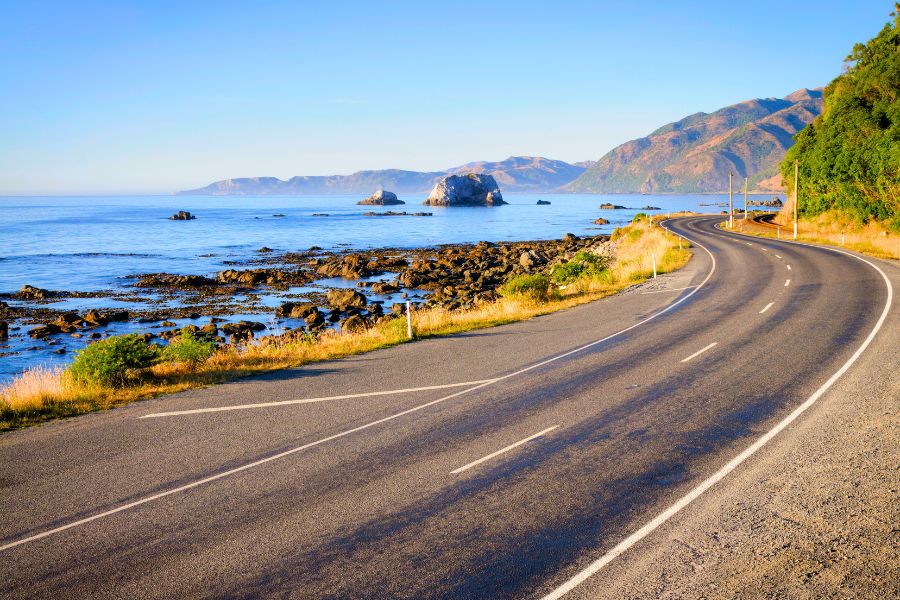
Visiting New Zealand for the first time is a journey you’ll never forget. With its majestic mountains, crystal-clear lakes, rugged coastlines, and welcoming locals, this island nation captures hearts with its natural beauty and charm. From the vibrant streets of Auckland to the steaming geysers of Rotorua and the breathtaking scenery of the South Island, every corner offers something unique.
To make the most of your trip, it helps to arrive prepared, knowing how to get around, what to budget for, and how to experience the country at your own pace by renting a car at the Christchurch Airport or other major hubs. Whether you’re chasing adventure, relaxation, or a bit of both, these travel insights will help you uncover the real magic of New Zealand and make every moment count.
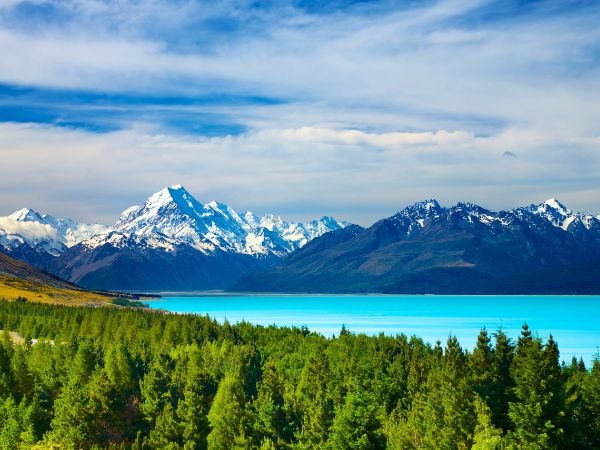
New Zealand is in the southwest Pacific Ocean and is made up of two main islands, the North and the South, plus many smaller ones. Each has its own character: the North Island offers vibrant cities, volcanic landscapes, and Māori culture, while the South Island boasts towering mountains, deep fiords, and open roads. English is the main language, and although you’ll often hear Māori words, travelling around is easy and welcoming for visitors.
The local currency is the New Zealand dollar (NZD). Credit cards are accepted almost everywhere, but it’s useful to carry some cash for markets or small shops in remote areas. Seasons are opposite to those in the Northern Hemisphere, with summer from December to February and winter from June to August. Be prepared for changing weather, as even in summer, you might encounter rain or cool evenings, particularly in higher or coastal regions.
Getting around New Zealand is straightforward, but transport options become limited outside major cities. While trains, buses, and domestic flights connect many areas, they don’t offer the flexibility to explore on your own schedule. Renting a car gives you the freedom to stop for photos, take scenic detours, or linger longer in places you love.
If your trip is short or focused on one region, public transport or guided tours may suffice, but for a truly immersive and flexible experience, a car makes all the difference. Remember, New Zealand’s winding roads and stunning landscapes mean journeys often take longer than they appear on a map, so plan extra time to travel without rush.
Accommodation in New Zealand ranges from large city hotels and international chains to cosy bed and breakfasts, holiday homes, and rural lodges. In major cities like Auckland, Wellington, or Christchurch, you’ll find every level of standard. In more remote or scenic areas, you’ll find charming guesthouses, cabins near lakes or mountains, or eco lodges nestled in nature. Booking ahead is wise, especially during the high season (December to February) or around public holidays, when popular locations fill quickly.
When you choose where to stay, think about your priorities. Do you want to be close to shopping and nightlife, or to peace and nature? If you plan to drive long distances, a self-contained holiday home or lodge with parking might be ideal. If you are only spending one night in a place, a hotel in a convenient location may suit you better. Also check whether your accommodation offers parking if you’re renting a car, since city centre parking can be expensive or limited.
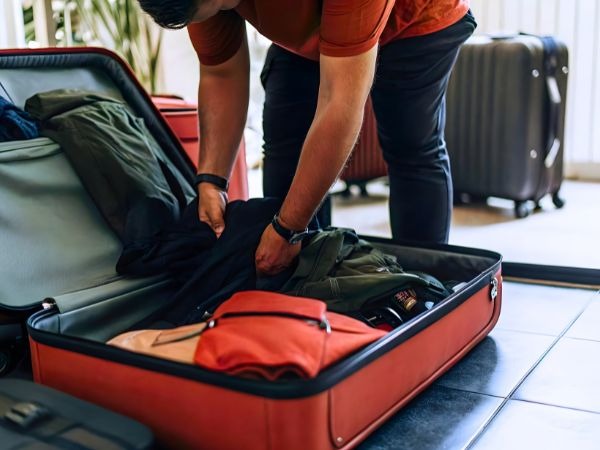
Packing thoughtfully helps make your trip to New Zealand comfortable and hassle-free. The weather can change quickly, so it’s best to be ready for different conditions while keeping things practical for the road. Here are some key tips to help you pack and plan wisely:
Exploring New Zealand’s culture adds depth and meaning to your trip. Māori traditions are a vital part of the country’s identity, and visiting a marae, learning local stories, or trying traditional foods offers a rich cultural experience. New Zealanders, often called “Kiwis,” are friendly, relaxed, and polite. Simple gestures like saying “please” and “thank you,” respecting personal space, and following local rules are appreciated. Queuing is expected, public behaviour is courteous, and tipping is optional but welcome for excellent service.
Being a respectful traveller means caring for both the environment and the people who call it home. Follow signs around private land and conservation areas, avoid disturbing plants or wildlife, and always dispose of rubbish responsibly. When exploring rural or residential areas, travel thoughtfully and respect the natural beauty and local communities that make New Zealand so special.
New Zealand’s food scene is vibrant and varied, offering everything from fresh coastal seafood and hearty meat pies to artisan cheeses and world-class wines from regions like Marlborough and Central Otago. In cities, you’ll find diverse international dining options, while smaller towns and rural areas are perfect for discovering local flavours and friendly cafés.
If you’re exploring by road, take time to stop at local markets, vineyards, and roadside stalls to sample regional specialties. Pick up fresh produce or picnic supplies and enjoy spontaneous meals by lakes, beaches, or mountain lookouts, turning simple stops into memorable moments along your journey.
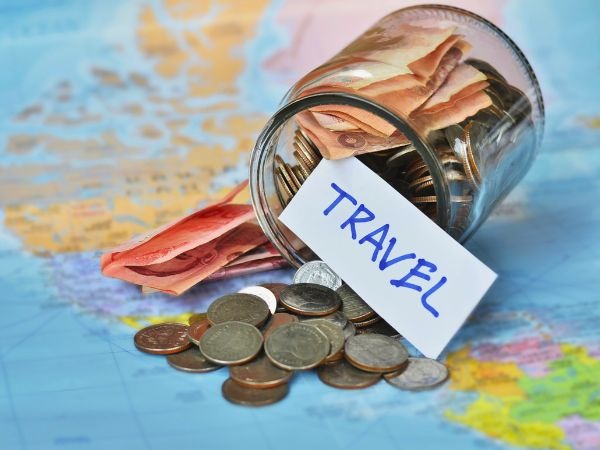
New Zealand can be an expensive destination, particularly during peak seasons or in remote areas, so it helps to plan and track your spending carefully. Accommodation, transport, fuel, and activities can quickly add up. Use contactless cards where possible, but carry some cash for rural shops or small purchases. Keep an eye on fuel prices and include costs like insurance, parking, and mileage limits in your budget if you plan to drive.
Booking early can help you secure better rates for accommodation and transport. Travelling in the shoulder seasons, such as spring or autumn, often means fewer crowds and lower prices. Use travel apps or comparison sites to find the best deals, read the fine print for hidden fees, and review cancellation or insurance policies before confirming bookings.
New Zealand is a safe and welcoming destination, but being prepared helps ensure a smooth and enjoyable trip. Whether you’re exploring cities, driving long routes, or hiking through nature, a few smart precautions go a long way. Here are some essential safety and health tips to remember:
Renting a car is one of the best ways for first-time visitors to explore beyond the main cities and experience the country’s stunning landscapes at their own pace. To make the process smooth and stress-free, it helps to know a few key steps before you book and drive away. Here’s what to keep in mind:
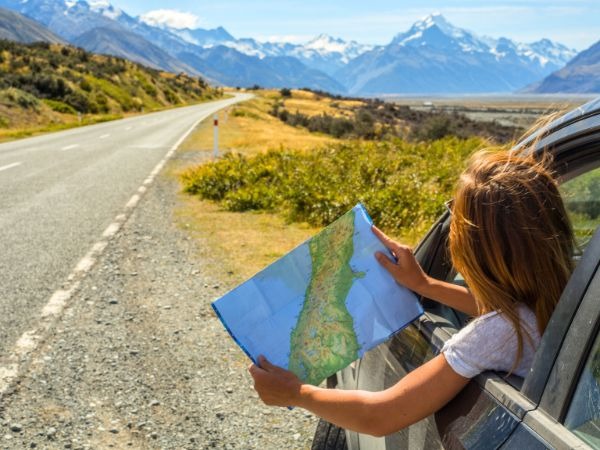
When you are visiting New Zealand for the first time, deciding where to go and how long to stay is key. Many visitors find it best to choose one island (either North or South) if their time is limited, rather than trying to rush across both and spend too little time in each. This gives you the chance to experience the place properly rather than just tick boxes. If you have extra time, you can create an itinerary that balances city adventures with natural escapes.
Start in Auckland, travel to Rotorua, and continue to Wellington. From there, cross to the South Island to explore Christchurch, Queenstown, and the stunning fiords. Include rest days and spontaneous stops to truly enjoy the scenery. Keep your pace relaxed rather than rushed. Some of New Zealand’s most memorable experiences come from slowing down to sit by a lake, wander a forest trail, or discover a charming small town.
Being a respectful tourist in New Zealand means caring for the land and its people. Stick to marked paths, avoid damaging vegetation, follow no‑go signs, and keep a safe distance from wildlife. On rural roads, watch for livestock, slow vehicles, and narrow bridges, and drive carefully to maintain safety and goodwill. Simple courtesies such as giving way, using passing bays, and not blocking driveways help protect the environment and show respect. Locals value visitors who leave places as they found them.
Staying connected is important for a smooth trip in New Zealand. Mobile coverage is strong in cities but can be patchy or absent in remote areas, so download offline maps and set up navigation tools before heading into rural zones or mountains. If driving, use a phone mount and hands-free setup for safety, as roads can have steep gradients, tight turns, or narrow lanes. Also check for toll roads and city parking options to avoid surprises.

Choosing when to visit New Zealand affects what you will experience. Summer, from December to February, offers the warmest weather, long daylight hours, and open alpine roads, but it is also peak season, so accommodation and car rentals may be more expensive and busy. Shoulder seasons, spring from September to November and autumn from March to May, often bring pleasant weather, fewer crowds, and better rates.
Winter, from June to August, is ideal for snow sports in the South Island or staying in cosy lodges, but roads may be icy or closed, so vehicle choice and awareness of conditions are important. If you plan to drive, check for snow or ice risks on alpine routes, use winter tyres or chains if needed, and consult local road-closure or weather advisories. Slower driving and early starts in winter reduce risks and make the journey safer.
New Zealand has so much to offer, with some places iconic and others quietly magical. For first-time visitors, do not miss the Waitomo glowworm caves, geothermal Rotorua, the Hobbiton movie set, the wine region of Marlborough, the Queenstown adventure hub, Milford Sound, lakes like Tekapo and Wanaka, and the Southern Alps.
But part of the joy is also going off the beaten track. Small coastal towns, forest walks, bird‑watching spots, and local farms offer memorable moments. If you choose to rent a car in New Zealand, you can access these places. Consider detouring away from major highways, stopping where you spot a scenic turnout, and staying somewhere unplanned if the view calls you. Some of your best memories may come from simply choosing to linger rather than rush. For more ideas on where to go, check out Top 10 Unforgettable Places Every Traveller Should Visit in New Zealand.
Travelling to New Zealand for the first time is an adventure full of stunning landscapes, welcoming culture, and unforgettable experiences. By planning carefully, staying open to new experiences, and respecting the land, you can enjoy every moment of your trip. For maximum freedom and flexibility, consider renting a car in New Zealand with Final Rentals.
Having your own vehicle allows you to explore both popular destinations and hidden corners at your own pace, stop wherever you want, and linger longer in places that capture your imagination. Embrace the journey, take in the scenery, experience the local culture, and let each drive reveal a new side of New Zealand, creating memories that will stay with you long after your trip!