A road trip through New Zealand is widely considered the ultimate travel experience. The country is practically built for driving, with winding coastal highways, dramatic alpine passes, and breathtaking views around every bend. From the geothermal wonders of the North Island to the jagged peaks of the South Island, renting a vehicle provides an unparalleled level of freedom.
However, with global fuel prices continuing to soar, many travellers wonder if securing a car rental at Christchurch Airport is still a financially viable option. The short answer is an emphatic yes. While the cost of petrol is an expense you must factor into your travel budget, the benefits of a rental car far outweigh the costs.
Relying solely on public transport in New Zealand severely limits your itinerary. Trains are sparse, and while coach networks connect major towns, they completely miss the hidden gems. Furthermore, when travelling as a couple or a family, splitting the cost of a rental vehicle and fuel often proves more economical than buying multiple individual tour tickets.
This comprehensive guide provides everything you need to know about refuelling, from identifying your rental car's requirements to paying at the cashier and saving money on fuel costs. With a bit of local knowledge, you can easily master the pumps, manage your fuel expenses, and focus on the jaw-dropping scenery that New Zealand has to offer.

The most critical step in refuelling occurs before you even lift a nozzle: you must confirm your rental vehicle’s fuel type. Misfuelling, such as putting diesel into a petrol engine, causes mechanical damage. This mistake is treated as user error, meaning it is not covered by standard rental car insurance and will result in a hefty repair bill. Always look for a reminder sticker inside the fuel filler flap, on the vehicle's key fob, or within your rental agreement.
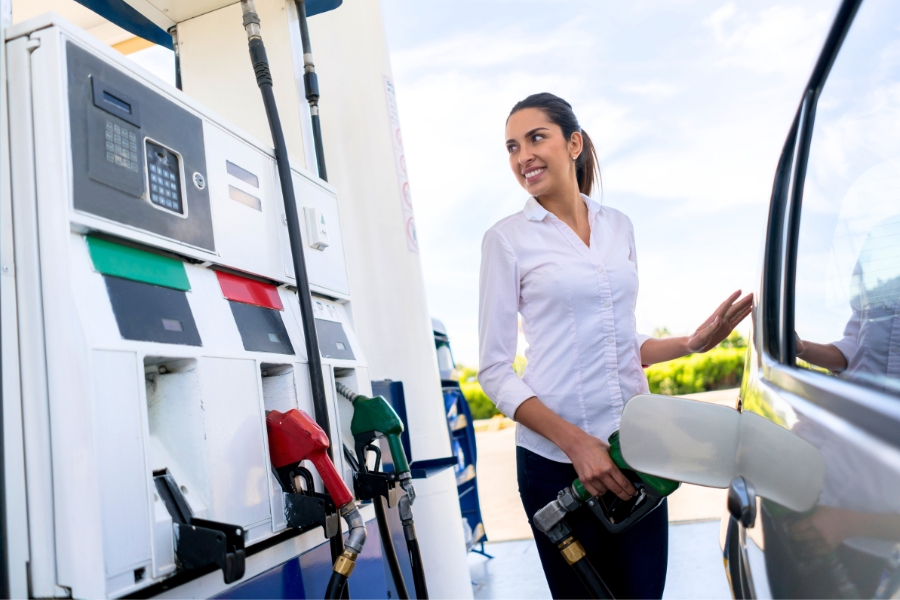
Once you know what fuel your vehicle requires, you need to understand the colour-coded pump system used across New Zealand. Regular unleaded petrol is almost universally designated as 91 octane and features a green handle. This is the standard fuel type for the majority of compact and mid-sized rental cars. Premium unleaded petrol, which comes in 95 or 98 octane, usually features a red or blue handle and is reserved for high-performance vehicles or European models. If you have rented a larger SUV or a campervan, it may require diesel, which is dispensed from a black handle. Note that diesel nozzles are typically wider than petrol ones as a safeguard, but it is always wise to double-check the label.
Fueling up in New Zealand is a straightforward process. Simply follow these steps as you approach the pump.
Locate the small arrow next to the fuel icon on your dashboard display to see which side your fuel cap is on, and park close enough to that side of the pump island.
Turn off the ignition completely, engage the handbrake, and step out of the vehicle to open your fuel cap door.
Select the appropriate fuel type based on your rental requirements, insert the nozzle firmly into the filler neck, and squeeze the trigger.
Hold or lock the trigger to pump your fuel. The machine will automatically shut off with a distinct click when the tank reaches full capacity.
Place the nozzle back into its holster, secure your car's fuel cap, and note the pump number displayed on the station island before walking inside to pay.

New Zealand operates on an incredibly secure, highly digitised financial system, and paying for your fuel is generally a seamless experience. At attended petrol stations, you simply park, fill your tank to the desired amount, leave your car at the pump, and walk inside the station's convenience store. You state your pump number to the cashier, and you can pay using cash, a credit card, or a debit card.
However, if you are driving late at night or exploring more rural corners of the country, you will usually encounter unmanned or automated stations. At these locations, you must pay before you can dispense any fuel. The process requires you to insert your credit or debit card into the terminal, enter your PIN, and select the amount you wish to authorise. The machine will verify your card, return it to you, and signal that you can begin pumping. You will only be charged for the exact amount of fuel you actually pump into the vehicle.
International travellers should be fully aware of the pre-authorisation hold that occurs during this process. When you use an automated pump, the banking system places a temporary hold on your funds equivalent to the maximum amount you selected. While the actual transaction updates to the correct, lower amount almost immediately, the temporary hold can sometimes take a few business days to disappear from your bank account statement. To avoid any unnecessary stress during your trip, ensure you have a bit of a financial cushion on your travel cards. Additionally, ensure you know your card's PIN, as automated Kiwi fuel pumps do not accept signature-only transactions.
While you cannot control global oil markets, there are several highly effective local strategies you can implement to dramatically decrease your total fuel expenditure while on the road.
Refuel in Major City Hubs: Fuel prices skyrocket in isolated regions like Fiordland or the West Coast due to the high costs of transporting petrol to remote areas. Make it a habit to fill up your tank while passing through large towns before heading out into the wilderness or forests.
Reduce Your Car's Weight: Carrying unnecessary weight significantly increases the amount of fuel your engine needs to burn. Keep the car's boot and passenger cabin clear of heavy gear, excessive luggage, or large water bottles when you are just driving around town or heading out on short day trips.
Check Your Tyre Pressure: Driving on under-inflated tyres creates higher rolling resistance, which noticeably reduces your vehicle's overall fuel efficiency. Check the tyre pressure placard inside the driver's door frame and use the free air compressors available at most Kiwi petrol stations to keep them properly inflated.
Consolidate Your Itinerary: Getting lost or backtracking on rural roads quickly drains both your time and your petrol tank. Plan your daily itineraries to combine errands, sightseeing stops, and grocery runs into a single, logical loop rather than making multiple separate trips from your accommodation.
Shut Down the Engine Off: Turning off your engine when parked or waiting for passengers prevents unnecessary fuel waste. New Zealand’s modern rental fleets often feature automatic start-stop technology, but manually switching off the ignition during extended delays will easily save you petrol.
Fuel Up Before the Return: Most rental companies require you to return the vehicle with a full tank or the same level of fuel. To avoid astronomical refuelling surcharges from the rental agency, ensure you fill up at a local station within a ten-kilometre radius of the drop-off depot.

Are all petrol stations open 24 hours daily? While many petrol stations in large cities and on major highways operate 24/7, rural stations often close by 8:00 pm or 9:00 pm. It is highly recommended to plan your route carefully and top up your tank during daylight hours if you are exploring remote areas.
Are petrol prices the same in all locations? No, petrol prices are localised and can vary significantly depending on regional taxes, local competition, and delivery costs. Remote tourist destinations and isolated regions generally have much higher prices than major urban centres like Auckland or Christchurch.
Can I pay with a credit card at all stations? Yes, major international credit cards are universally accepted at both attended counters and automated terminals. However, you must know your card's PIN code, as automated machines do not support signature-only transactions.
What should I do if I select the wrong fuel? If you realise you have used the wrong fuel, you must leave the ignition off and avoid starting the engine under any circumstances. Leave the car at the pump, inform the station staff, and immediately call your rental provider's roadside assistance line to arrange a tank flush.
Driving through New Zealand is an unforgettable adventure that offers a level of flexibility no bus or train can ever match. While understanding how to fuel up in New Zealand and managing the associated costs requires a tiny bit of preparation, the local fueling infrastructure is secure, modern, and easy to navigate once you know the basics.
By checking your fuel type carefully and planning your fuel stops around major towns, you can easily keep your transport costs manageable. Do not let global fuel trends deter you from planning the trip of a lifetime. Book your car on Final Rentals today and get ready to experience the unmatched magic of a New Zealand road trip.