
New Zealand is a country defined by its dramatic landscapes, from the volcanic plateaus of the North Island to the jagged, snow-capped Southern Alps. For many travellers, the quintessential image of a Kiwi vacation involves a campervan parked by a turquoise lake or a car winding through the emerald hills of the Shire.
However, as travel costs rise and sustainability becomes a primary concern for global explorers, many are left asking: Is a car rental worth it in NZ? The answer depends largely on your itinerary and your appetite for adventure. While New Zealand’s transportation infrastructure has seen improvements, the most spectacular sights are often tucked away at the end of a gravel road, far from the reach of a bus stop.
To decide if you should rent a car in New Zealand from the Christchurch Airport or another major hub, you must weigh the benefits of the open road against the logistical and financial challenges of the road trip. This guide helps you review the available transport options and understand why a rental car is the best choice for exploring the country.
Before booking a rental car, it is wise to review the alternative options. New Zealand offers several ways to traverse the islands, but each comes with several trade-offs that can significantly affect your trip.
Local buses, such as InterCity, are the primary mode of public transport for long-distance travel. While they are a budget-friendly choice for solo travellers, they only operate on fixed routes between major townships, meaning they bypass hidden gems that make New Zealand famous, like remote waterfalls or coastal lookouts.
Furthermore, the trip frequency is often low, with many rural routes running only once a day. This creates a logistical problem; even if a bus gets you to a town like Tekapo, you may still find yourself stranded when trying to reach a specific trailhead or a secluded lodge ten miles away.
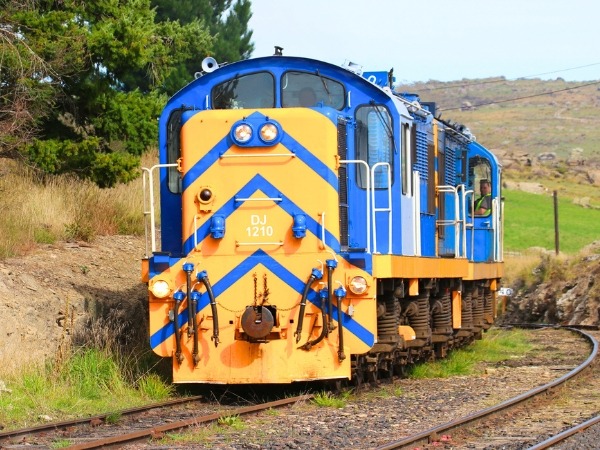
Scenic rail journeys offer a more relaxed pace and panoramic views, particularly for travellers taking the famous TranzAlpine across the South Island. However, these are designed as high-end tourist experiences rather than a practical transit network. They are expensive, costing around $200 NZD for a one-way trip and more than $400 NZD for the premium experience.
Furthermore, these train rides cover only a tiny fraction of the country and offer zero flexibility. They only stop at famous destinations, and not at remote gems. You cannot simply hop off to photograph a wandering Kea bird and catch the next train an hour later; in most cases, the next service won't arrive until the following day.
Domestic flights are an excellent way to save time when jumping between major hubs like Auckland, Wellington, and Christchurch. However, flying means you miss everything in between. You bypass the small-town bakeries, the rolling vineyards of Marlborough, and the rugged beauty of the Kaikōura coastline.
Additionally, regional airports in New Zealand are notorious for weather-related delays, and the cost of checking heavy hiking or camping gear can quickly erode any perceived savings. This option is only recommended if you want a fast travel time and your itinerary is focused on specific areas near the airport only.
Guided tours cater to the backpacker market, providing a social atmosphere and pre-arranged logistics. The downside is the lack of flexibility. You are tied to a specific schedule and a group of fellow tourists, which can strip away the sense of discovery. You cannot randomly stop at roadside shops or detour to a hidden path.
In peak seasons, these buses often sell out fast, leaving you with very little room for spontaneity if you decide you want to stay an extra night in a place you’ve fallen in love with. You need to book weeks in advance and stick to the designated itinerary, even if you suddenly have a change of heart.
If your goal is to see and experience the true beauty of New Zealand, a good rental car is certainly worth the investment. You will have full autonomy on your itinerary and the flexibility to find treasures beyond the usual tourist attractions.
The primary benefit of car rentals is unmatched freedom. New Zealand is a country of spontaneous detours. You might see a sign for a "Manuka Honey Farm" or a "Secret Beach" and decide to follow it on a whim. With your own vehicle, your itinerary is dictated by the sunrise and your own energy levels, not a bus timetable or a tour schedule.
Access is another critical advantage. Many of the country's most iconic locations, such as the Moeraki Boulders, the Fox Glacier trailheads, and the deep reaches of the Catlins, are simply inaccessible to those without their own wheels. Renting a car allows you to beat the tour bus crowds by arriving at popular spots like Milford Sound or Hobbiton early in the morning or late in the afternoon.
Furthermore, a rental car provides a level of comfort and storage that public transport cannot match. For families or groups of three or more, it provides ample space for luggage and souvenirs. You can toss your muddy hiking boots, a cooler full of local cheeses, and three layers of waterproof clothing into the boot without a second thought.
Despite the various benefits, car rental in New Zealand is not without its disadvantages. Most challenges are linked to the local driving conditions and the overall cost of operating a vehicle in the country.
The most common challenge for many travellers is driving on the left side of the road. This is a significant adjustment for those used to driving on the right. Furthermore, while the roads are generally well-maintained, they are often narrow, winding, and steep. Navigating a mountain pass in the rain or crossing one of the country's ubiquitous one-lane bridges requires a high level of concentration and patience.
Logistical costs are also a significant consideration. Fuel prices in New Zealand are high by international standards. Additionally, in urban centres like Auckland or Wellington, parking can be both scarce and expensive, sometimes costing as much as $50 NZD per day. If you plan to travel between the North and South Islands, you must also account for the ferry fees. Transporting a car and driver on the Interislander or Bluebridge ferry can cost more than $200 NZD for a one-way crossing.
Distances on a map can be deceiving; a 100-kilometre stretch that would take an hour on a European motorway can easily take over two hours in New Zealand due to the winding terrain and lower speed limits. This can lead to significant driver fatigue, especially for those trying to cram too much into a short itinerary.

So, is a car rental worth it in NZ? For most travellers, the answer is a resounding yes. While the costs of insurance, fuel, parking, and ferries can be high, the value of being able to explore the country at your own pace is priceless. New Zealand’s true magic lies in its solitude, an element that is often lost when travelling via a fixed bus route or a crowded tour.
If you are planning a trip that focuses on the great outdoors, mountain hiking, and remote coastal scenery, renting a car is essential. It transforms your vacation from a series of transit points into a true adventure. However, to make the most of it, you must prepare. Ensure you understand the road rules, factor in the hidden costs, and give yourself plenty of time to navigate the winding roads safely.
The scenic landscapes are waiting for you, and there is no better way to see them than from behind the steering wheel. To get the best rates and vehicle for your journey, secure your transportation today. Rent a car in New Zealand from Final Rentals and experience total freedom on your next great escape.